Ready to help treat your pet to a healthy life?
10 Essential New Puppy Supplies Every Dog Owner Should Have
By : Nikki Edwards | Updated Jan 14, 2026

Bringing home a new puppy is an exciting and heartwarming experience. The world of pet care continues to evolve, offering more advanced, health-conscious, and eco-friendly products than ever before. But even with all the innovation, the foundations of responsible puppy parenting remain unchanged: preparation, patience, and genuine commitment. Whether you’re a first-time dog owner or a seasoned pup parent, ensuring your home and heart are ready for this new adventure is crucial. Puppies are bundles of energy, curiosity, and affection, but they also require specialized care, structure, and the right supplies to help them thrive. This comprehensive guide will take you through everything you need to make your puppy’s transition smooth and joyful.
1. Commitment
Before you buy a single toy or treat, take a moment to reflect on what it really means to welcome a puppy into your life. Commitment isn’t just about loving your dog; it’s about making a daily promise to provide for their physical and emotional needs, often for a decade or more. This means budgeting not only for food and supplies but also for veterinary care, grooming, training, insurance, and unexpected emergencies.
Commitment checklist:
- Research the dog breed and its needs
- Discuss responsibilities with your household
- Prepare a monthly pet care budget (food, vet, grooming, insurance, etc.)
- Locate a reputable veterinarian
- Schedule time daily for walks, play, and training
2. Puppy potty training tools
House training is one of the first challenges new puppy parents face. Even if your pup has started potty training, expect accidents at first. Setting up your home with the right tools makes the process smoother and cleaner.
Potty training supplies:
- Puppy potty pads
- Leak-proof pad holders or trays
- Enzymatic pet stain/odor remover
- Pet-safe cleaning wipes
- Small mop or carpet cleaner (for accidents)
Why you need them:
Puppy pads and holders protect your floors and carpets during the learning phase. Enzymatic cleaners remove odors that might attract repeat accidents, and pet-safe wipes make spot-cleaning a breeze. Having these on hand from day one reduces stress for both you and your puppy.
3. Dog identification
Even the most careful pet parents can lose sight of a puppy in a new environment. Proper identification ensures a speedy reunion if your pup ever gets lost.
Dog identification supplies:
- Adjustable collar (puppy-sized)
- Custom ID tag with your contact info
- Microchip (vet can implant)
- Local licensing/registration paperwork (if required)
Why you need them:
A visible ID tag is the quickest way for a neighbor or Good Samaritan to contact you if your puppy slips away. Microchipping is a safe, permanent way to identify your dog if the collar comes off, and in some areas, local licensing is required by law.
4. Collar, harness, and leash
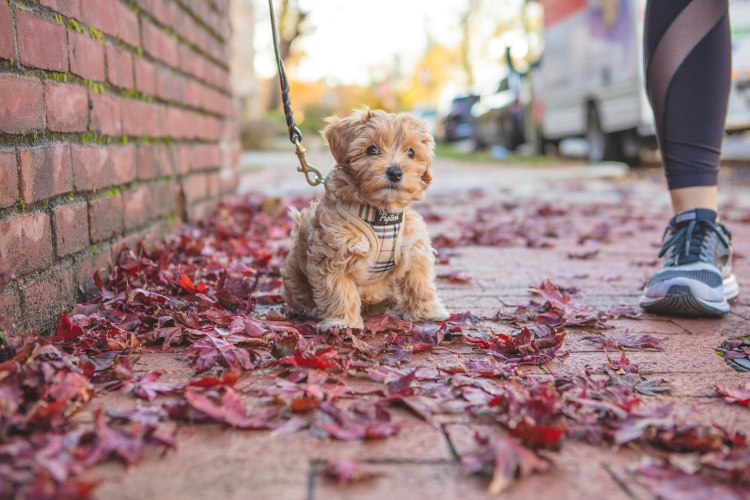
A secure collar, properly fitted harness, and reliable leash are the foundation of safe outings. Collars should be adjustable and comfortable, with enough space to fit two fingers between the collar and your puppy’s neck. For better control and reduced risk of neck injury, especially with small or brachycephalic breeds, a harness is recommended for walks and training.
Walking supplies:
- Soft, adjustable collar (for ID tag)
- Well-fitted harness (safer for leash walks)
- Sturdy leash (4–6 feet is ideal for training)
- Optional: retractable leash (for older, well-trained dogs)
Why you need them:
A collar with an ID tag is a must, but a harness gives you more control on walks and reduces strain on your puppy’s neck. Choose a leash that’s strong but comfortable for your hand. Make sure everything is puppy-sized and adjustable as your dog grows.
5. Dog carrier
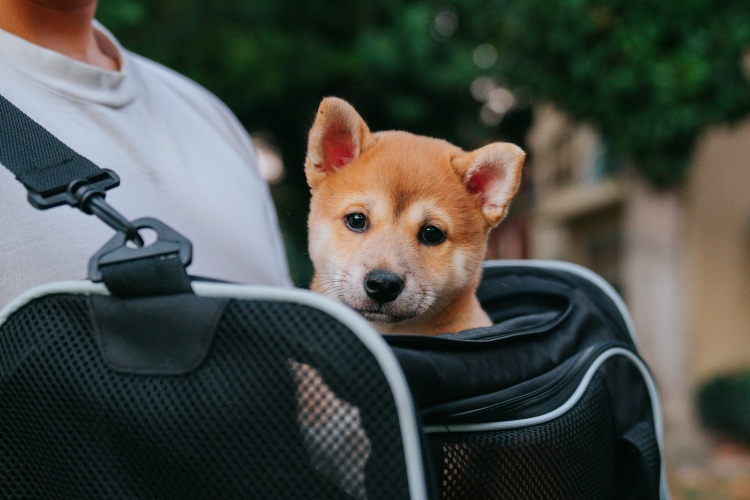
A sturdy, comfortable carrier is essential for vet visits, travel, or simply offering your puppy a safe retreat during busy days. Rolling carriers or backpacks are perfect for public transportation or long trips. If you plan to fly, confirm the carrier’s size and features with your airline. For larger breeds, a collapsible travel crate or portable playpen may be more practical as your puppy grows.
Carrier supplies:
- Soft or hard-sided dog carrier (ventilated, secure closure)
- Washable bedding or liner for carrier
- Optional: car seat belt adapter or booster seat (for car rides)
Why you need them:
Carriers make trips safer and less stressful. Washable liners ensure comfort and cleanliness. For car travel, look for carriers or boosters that secure with seat belts for extra safety.
6. Puppy gate and crate

Puppies are curious and can quickly find trouble, so creating safe boundaries is key. For anxious pups, select crates with noise-dampening covers or blackout panels that mimic a den environment. And size matters: your puppy should have enough space to stand, turn, and lie down, but not so much that they can use one end as a bathroom.
Containment supplies:
- Puppy-sized crate (with divider for growth)
- Comfortable crate mat or bedding
- Adjustable puppy gates (for stairs, kitchens, etc.)
Why you need them:
Crates provide a den-like space that helps with training and gives your puppy a safe spot to relax. Gates keep your puppy out of trouble when you can’t supervise directly, protecting both them and your belongings.
7. Water and food bowls
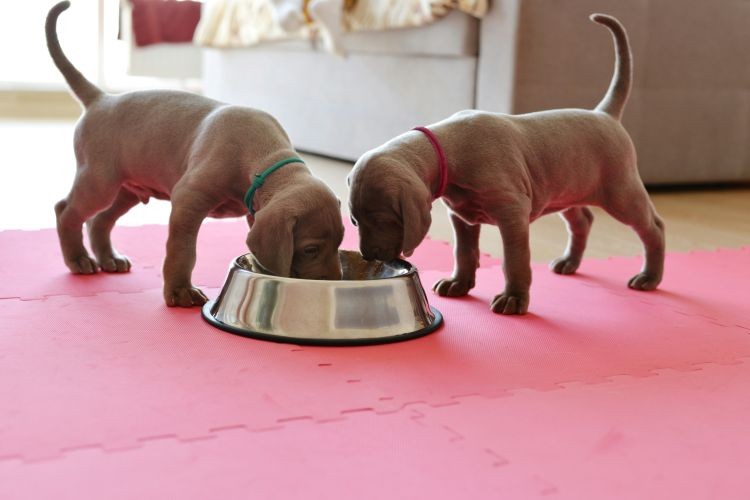
Feeding your puppy means more than just filling a dish—proper bowls promote healthy eating habits and hygiene. Stainless steel and ceramic bowls remain the best choices: they’re non-porous, easy to clean, and resist harboring bacteria. Non-slip bases prevent spills, while elevated feeding stations can help larger breeds eat more comfortably.
Feeding supplies:
- Stainless steel or ceramic water bowl (easy to clean)
- Stainless steel or ceramic food bowl
- Optional: slow-feed or puzzle bowl (for fast eaters)
- Non-slip mats (to keep bowls in place)
Why you need them:
Stainless steel and ceramic are hygienic and durable. Slow-feed bowls help prevent gulping and digestive issues, and non-slip mats reduce messes.
8. Puppy toys

Play is vital for your puppy’s physical and mental development. Chew toys help soothe teething discomfort and deter destructive chewing on furniture. Choose durable, non-toxic toys specifically designed for puppies; avoid those with small parts or stuffing that can be swallowed.
Toy supplies:
- Durable chew toys (for teething)
- Soft plush toys (for comfort and gentle play)
- Fetch toys (balls, discs)
- Rope toys (for tugging games)
- Puzzle or treat-dispensing toys (for mental stimulation)
Why you need them:
Chew toys soothe teething pain and keep your puppy from gnawing on furniture. Puzzle toys provide mental exercise, while fetch and rope toys encourage active play and training.
9. Dog bed

Rest is crucial for a growing puppy, and a well-chosen bed supports healthy development. Look for beds made from orthopedic memory foam or supportive materials that cushion growing joints. Washable covers are a must for easy cleaning, and water-resistant liners protect against accidents.
Bed supplies:
- Washable, puppy-sized dog bed (with room to grow)
- Optional: crate mat or extra bed for other rooms
- Soft blankets (for comfort)
Why you need them:
A comfortable bed supports healthy joints, especially for growing puppies, and helps them settle in their new home. Having more than one bed can give your puppy options and encourage them to rest in safe areas.
10. First veterinary appointment
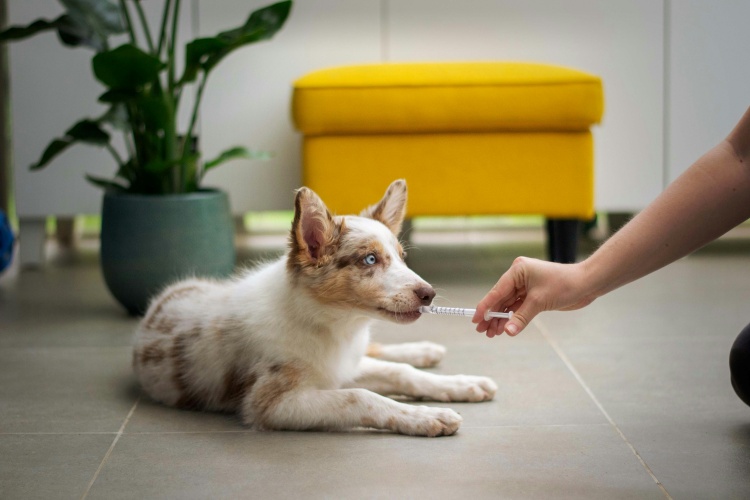
Schedule your puppy’s first vet visit within a few days of adoption. A comprehensive exam ensures your puppy is healthy, and your vet can set up a vaccination and deworming schedule tailored to your location and lifestyle. Bring any available medical or vaccination records, and discuss topics such as nutrition, flea/tick prevention, and spay/neuter timing.
Veterinary supplies:
- Vet contact information
- Any medical records from breeder or shelter
- List of questions (vaccinations, diet, preventative care)
- Pet insurance plan (optional, but recommended)
Why you need them:
A prompt vet appointment gets your puppy on track for vaccinations, parasite prevention, and a healthy start in life. Pet insurance can protect you financially against unexpected illness or accidents.
Pet Parenting is the official dog and cat blog of Trupanion, a leader in the world of pet insurance. Here you’ll find useful dog and cat care tips, important veterinary insights, and an abundance of pet lifestyle topics. All of our articles are written by real humans with a love for pets, not AI. However, please note that the views expressed here are those of the individual authors and do not necessarily reflect those of Trupanion. Articles are reviewed by veterinarians for accuracy, but they are not a substitute for professional diagnosis and treatment. Always consult with your own pet’s veterinarian for advice.