Ready to help treat your pet to a healthy life?
Essential New Kitten Supplies You Can’t Do Without in 2026
By : Nikki Edwards | Updated Jan 19, 2026

Welcoming a kitten into your home in 2026 is an unforgettable experience—there’s nothing quite like the energy, playfulness, and affection that a new feline companion brings. Their tiny paws, curious eyes, and endless antics can fill your days with laughter and love. But as delightful as kittens are, it’s important to remember that caring for one comes with real responsibilities that start the moment they arrive.
To help your new kitten grow into a healthy, happy adult cat, you’ll need more than just cuddles and cute photos. Preparation is key! From nutrition and safety to enrichment and veterinary care, having the right supplies on hand will make the transition smoother for both of you. Whether you’re counting down to adoption day or your kitten is already exploring their new home, this comprehensive supply checklist for 2026 ensures you’re fully equipped for every adorable—and sometimes chaotic—moment ahead.
1. Commitment to a new pet
Bringing home a kitten is a long-term commitment. The average domestic cat now lives 16–20 years, and with advances in veterinary care and nutrition, some cats are reaching their early 20s. Be prepared to provide daily care, regular veterinary visits, and lots of love for your cat’s entire life. Consider your lifestyle, travel plans, and financial readiness before adopting.
Extra tip: Discuss pet care responsibilities with your household and make a plan for vacations or emergencies.
2. Kitten-specific food and feeding supplies

Kittens have unique nutritional needs for healthy growth. Choose a high-quality, vet-recommended kitten food rich in protein, healthy fats, and essential nutrients. Wet food can help with hydration, while dry food supports dental health.
Additional supplies:
- Food and water bowls (preferably stainless steel or ceramic for hygiene)
- Automatic feeder (for busy households)
- Water fountain (encourages hydration)
- Treats formulated for kittens (for training and bonding)
- Food storage container (keeps food fresh)
Extra tip: Avoid feeding kittens dog food or human food, as it can cause nutritional deficiencies.
3. Cat carrier
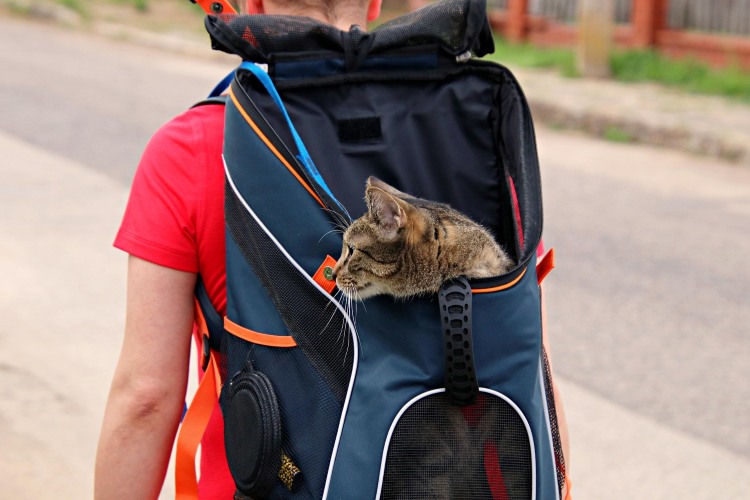
A sturdy, well-ventilated cat carrier is essential for safe travel to the vet or anywhere else. For kittens, a smaller carrier with a soft, washable mat or blanket inside provides comfort and security.
Additional supplies:
- Travel litter box (for longer trips)
- Calming spray or pheromone wipes (to reduce travel stress)
- Extra blanket or towel (for warmth and accidents)
Extra tip: Practice short trips in the carrier at home to help your kitten acclimate.
4. A Cozy spot to sleep

Cats sleep up to 18 hours a day, especially as kittens. Provide a variety of cozy sleeping options to discover your kitten’s preference.
Additional supplies:
- Cat bed (orthopedic or heated options available)
- Soft blankets
- Cat cave or enclosed bed (for shy kittens)
- Window perch (for sunbathing and bird-watching)
Extra tip: Place beds in quiet, draft-free areas for maximum comfort.
5. Identification and safety
Even indoor-only cats can slip outside. Ensure your kitten is microchipped and wears a breakaway collar with an ID tag.
Additional supplies:
- Breakaway collar (with bell to protect wildlife)
- Personalized ID tag (with your phone number)
- Microchip registration (keep your contact info updated)
- GPS tracker (for extra peace of mind)
Extra tip: Check collar fit regularly as your kitten grows.
6. Litter box and hygiene supplies
A clean litter box is crucial for your kitten’s health and happiness. Start with a low-sided box for easy access to make litter training a priority from the start.
Additional supplies:
- Extra litter boxes (one per cat, plus one extra)
- Litter mat (to catch stray litter)
- Unscented, clumping litter (gentler on sensitive noses)
- Litter deodorizer or baking soda
- Litter box liners (optional)
- Enzyme cleaner (for accidents outside the box)
- Covered and uncovered box options (to see which your kitten prefers)
Extra tip: Scoop daily and wash the box weekly to prevent odors and infections.
7. Enrichment toys
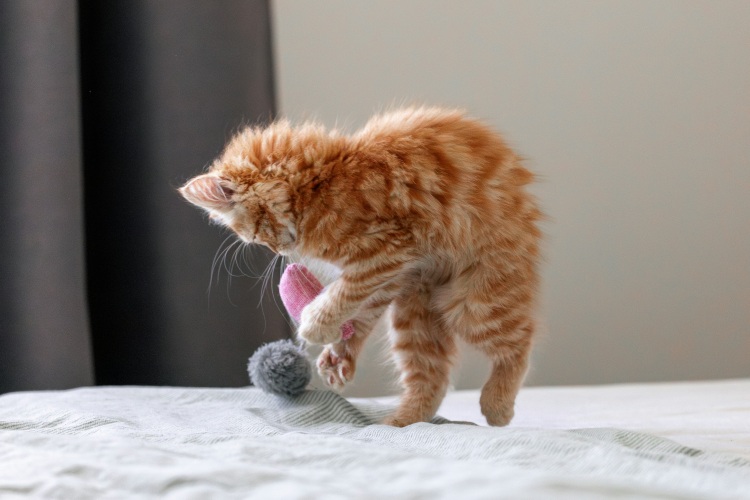
Kittens need mental and physical stimulation to prevent boredom and destructive behavior.
Additional supplies:
- Wand toys and feather teasers (for interactive play)
- Puzzle feeders (for mental stimulation)
- Catnip toys (for older kittens)
- Laser pointer (supervised play only)
- Crinkle balls and soft plush toys
- Electronic motion toys (for solo play)
- Cat tunnels (for hiding and zoomies)
Extra tip: Rotate toys weekly to keep things exciting.
8. Scratching post and nail care
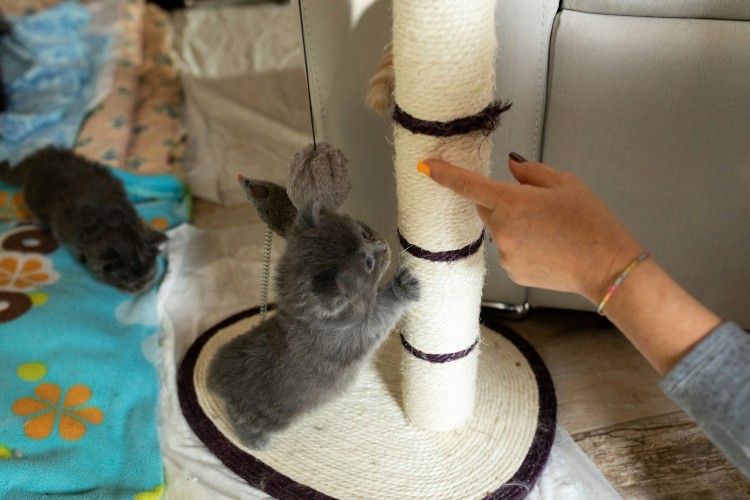
Scratching is a natural behavior that helps kittens stretch, mark territory, and keep their claws healthy. And kittens need nail trims just like puppies do!
Additional supplies:
- Multiple scratching posts (vertical and horizontal)
- Scratching pads or boards (cardboard, sisal, or carpet)
- Cat-safe nail clippers or grinder
- Cat-safe nail caps (optional, for furniture protection)
Extra tip: Place scratching posts near favorite sleeping spots and furniture.
9. Cat climbing stand and safe spaces
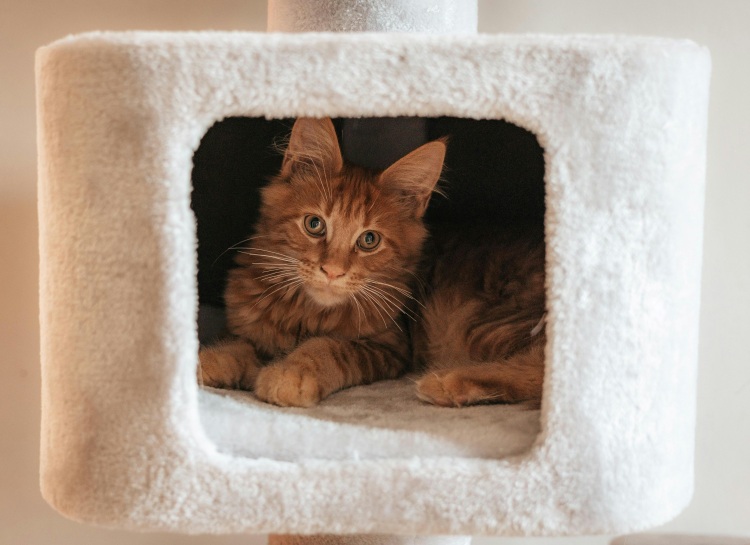
Cats love to climb and observe their world from above. A sturdy cat tree or climbing stand provides exercise and a sense of security.
Additional supplies:
- Multi-level cat tree (with platforms, condos, and scratching surfaces)
- Wall-mounted shelves or steps
- Window hammock or perch
- Hideaway cubes or tunnels
Extra tip: Ensure all climbing structures are stable and secure to prevent accidents.
10. First veterinary visit and health essentials
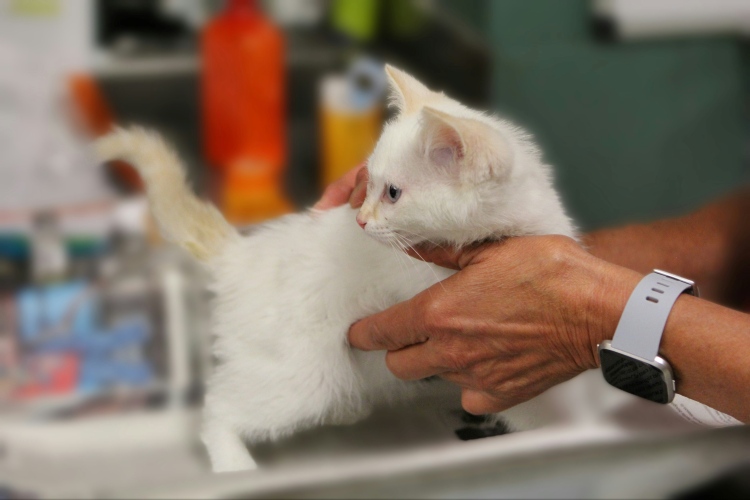
Schedule your kitten’s first vet visit within a week of adoption for a wellness check, vaccinations, and parasite prevention.
Additional supplies:
- Flea and tick prevention (vet-recommended for kittens)
- Dewormer (as prescribed)
- Kitten-safe toothbrush and toothpaste
- Pet first aid kit
- Health record folder (to track vaccines and treatments)
- Pet insurance (enroll early for best coverage)
Extra tip: Ask your vet about spay/neuter timing, microchipping, and a vaccination schedule.
11. Grooming supplies
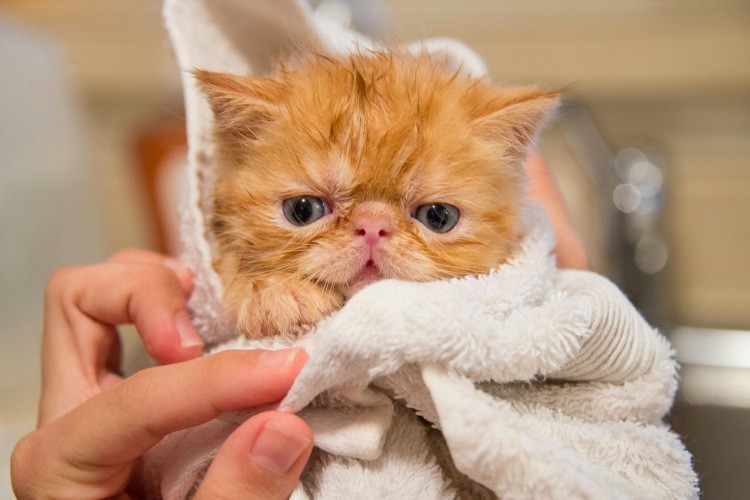
Even short-haired kittens benefit from regular grooming to reduce shedding and hairballs.
Additional supplies:
- Soft-bristle brush or grooming glove
- Kitten-safe shampoo (for occasional kitten baths)
- Ear cleaning solution (vet-approved)
- Pet wipes (for quick cleanups)
Extra tip: Start grooming routines early to help your kitten get used to being handled.
12. Kitten-proofing your home
Kittens are curious and can get into trouble. Make your home kitten safe by removing hazards.
Additional supplies:
- Cord protectors (for electrical wires)
- Baby gates (to block off unsafe areas)
- Cabinet locks (to keep cleaning supplies out of reach)
- Bitter spray (to deter chewing on cords or plants)
- Pet-safe houseplants
Extra tip: Keep small objects, toxic foods, and medications out of reach.
Make your growing cat’s health a priority
Regular veterinary care, healthy food, and plenty of exercise are essential for your cat’s health from kittenhood through their golden years. Even the healthiest kittens can get sick or injured unexpectedly. Having a good pet insurance plan in place can help cover surprise expenses and reduce financial obstacles to your cat’s care.
Pro Tip: The best time to sign your kitten up for coverage is when they’re young and healthy.
Ready to help your kitten thrive in 2026?
With this curated supply list, you’ll be well-prepared to welcome your new feline family member and give them the best start in life!
Pet Parenting is the official dog and cat blog of Trupanion, a leader in the world of pet insurance. Here you’ll find useful dog and cat care tips, important veterinary insights, and an abundance of pet lifestyle topics. All of our articles are written by real humans with a love for pets, not AI. However, please note that the views expressed here are those of the individual authors and do not necessarily reflect those of Trupanion. Articles are reviewed by veterinarians for accuracy, but they are not a substitute for professional diagnosis and treatment. Always consult with your own pet’s veterinarian for advice.