Ready to help treat your pet to a healthy life?
Dog Dehydration Treatment & Prevention
By : Brooklyn Benjestorf | Updated Jul 9, 2026
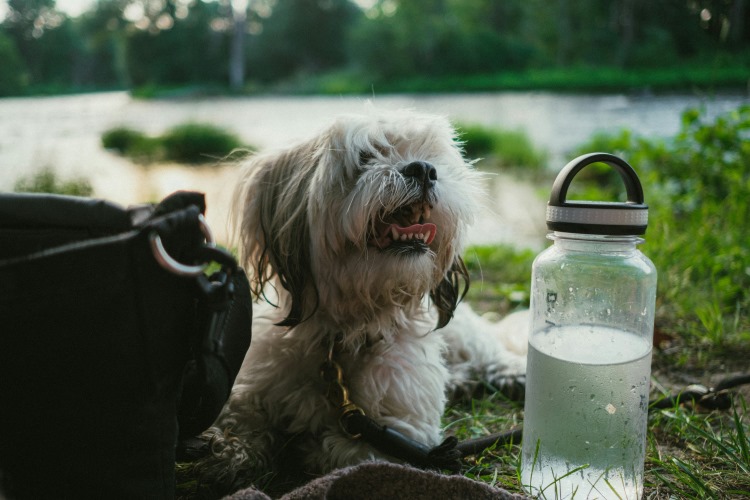
The bright days and warmth of summer bring a lot of new activity opportunities for you and your dog, but while you're planning vacations, hiking trips, or even just daily walks, don't forget about your dog's water intake.
Canine dehydration is a real and serious issue year-round, often linked to another health issue, such as vomiting or diarrhea, but it’s especially crucial during the summer season. Dogs with chronic conditions may be more susceptible to dehydration and heat-related illness in hot weather, making it especially important to monitor them closely during the summer.
No matter what you're up to during these warmer months, it's crucial to know how to recognize signs of dehydration in dogs and what to do. This preventable condition can be fatal if not addressed quickly, so having a good grasp on both prevention and treatment is a must for every dog owner.
10 quick facts about dog dehydration
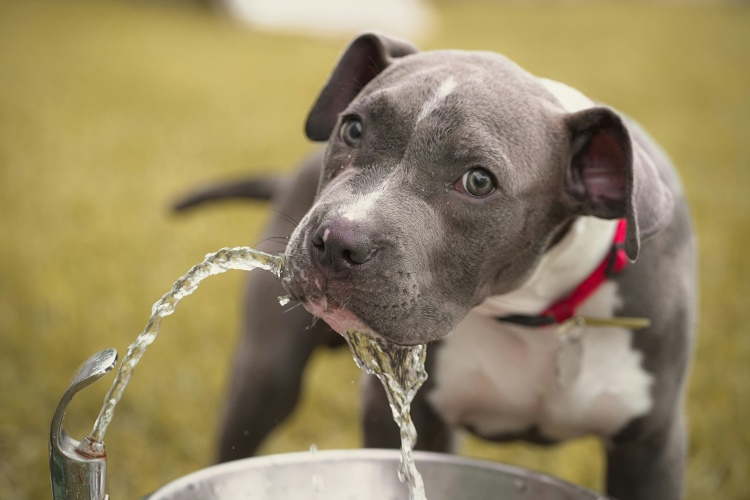
- July is Pet Hydration Month, the perfect time to learn about how to keep your dog properly hydrated and prevent disaster.
- Dog dehydration can range from mild to severe, though mild forms can quickly progress to severe conditions when left untreated. Severe dehydration can be fatal.
- A dog's body consists of around 70% water. Dehydration occurs when this balance becomes disrupted and a dog is losing more water than they are taking in.
- Canine dehydration is measured by veterinarians as a percentage and can be tough to detect when only at 5% or less, but at 15% or more, a dog's condition can deteriorate rapidly and become difficult to treat.
- Treatment can be costly! According to Trupanion pet insurance claims data, the average cost for dehydration-related claims in dogs in 2025 was $762 but has reached over $18,693 for a single pet.
- Heatstroke, which can correspond with dehydration in dogs, is often even more expensive to treat. Trupanion claims data shows the average cost for heatstroke in dogs was $1,673 in 2025, though the highest payment ever made for a single pet was over $21,987.
- In the summer months, Trupanion sees a 36.3% increase in heatstroke and dehydration-related claims.
- From 2021–2025, Trupanion saw a total of 3,729 dehydration-related claims for dogs.
- Since 2021, the frequency of dehydration-related claims for dogs at Trupanion has decreased by almost 9%.
- Trupanion saw 632 dehydration-related claims for dogs in 2025.
How do dogs become dehydrated?
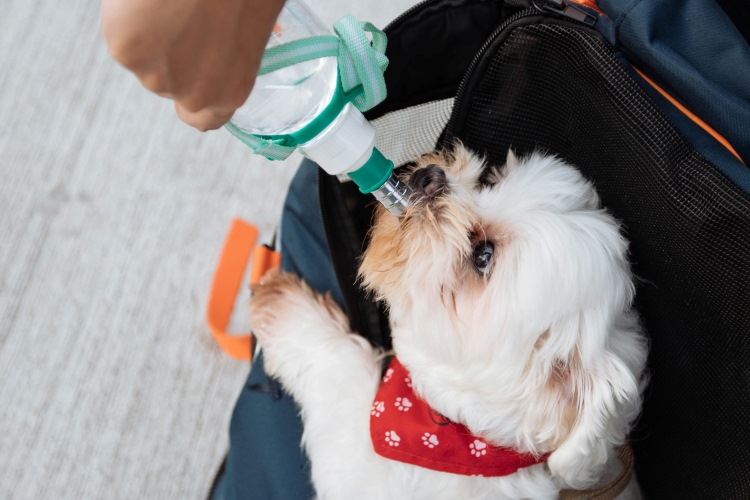
Dehydration in dogs is the direct result of your pet not retaining enough water in their system. It may occur after a pet is outside in the sun in hot weather, but that's far from the only time when it can happen.
Dehydration is caused by either the lack of food or water or even water loss occurring after an illness or injury. If your pet is vomiting or has diarrhea and cannot retain fluids, they could also become dehydrated.
How to prevent dehydration in dogs

Helping to prevent dehydration in dogs starts with keeping fresh water available at all times, especially during hot weather, exercise, travel, or times of illness. Be sure to bring water on walks or any outdoor adventures to help encourage regular drinking.
Some additional items to bring while you’re on the go in the summer are:
- Portable water bowl or pet water bottle
- Ice bags
- Cooling vest
- Hydration pack
Also, keep pets cool in the shade, shorten playtime in the sun, take breaks, and enjoy some rest and relaxation inside in the air-conditioning. To protect your pup from other summer dangers, learn more about summer safety tips for pets.
Dogs who are vomiting, experiencing diarrhea, panting heavily, or recovering from illness can lose fluids much faster and should be monitored very closely. Puppies, senior dogs, and dogs with any underlying health conditions can also be at a higher risk for dehydration. If your dog suddenly stops drinking water or shows any of the signs of dehydration outlined below, contact your veterinarian immediately.
Signs of dehydration in dogs

If you are worried your pet may be experiencing dehydration, keep an eye out for the following signs.
- Lethargy
- Excessive panting
- Sunken eyes
- Dry mouth
- Skin loses elasticity
- Weakness
- Delayed capillary refill time (veterinarians will check the gums to check on a dog’s oxygen level)
- Gagging or vomiting
- Passing out (in severe cases — seek emergency medical care immediately)
While mild dehydration may be able to be effectively treated just by giving your dog water, it's a good idea not to take chances. This is why you should contact your veterinarian if you notice any of the above signs, especially if your dog appears weak or is experiencing any gastrointestinal issues.
Treating dog dehydration
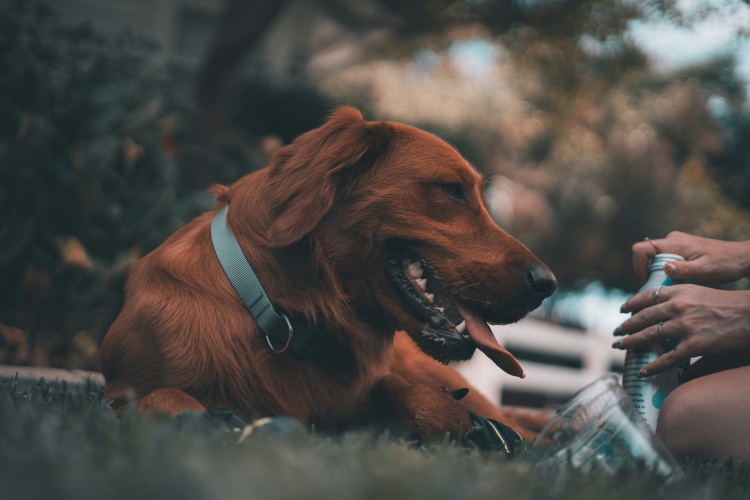
If your pet is showing signs of being dehydrated, it's time to act quickly. First and foremost, provide clean, fresh water and allow them to drink, but in small, supervised amounts. A dehydrated pet suddenly guzzling down water can lead to vomiting and result in additional loss of fluids.
Treating severe dehydration in dogs requires immediate veterinary intervention. Treatment may include intravenous fluids to rapidly restore hydration and balance electrolytes. In addition to fluids, your veterinarian may address related conditions such as gastrointestinal illness or heatstroke. Continuous monitoring is essential to ensure recovery and prevent recurrence. Prompt, professional treatment is critical to saving a severely dehydrated dog's life.
Naturally, depending on your pet’s age, weight, or breed, it may be hard to know how much water they should be drinking.
July is Pet Hydration Month
Did you know that July is Pet Hydration Month in North America? That's right! This month seeks to raise awareness about the importance of proper hydration not just for dogs, but for all pets.
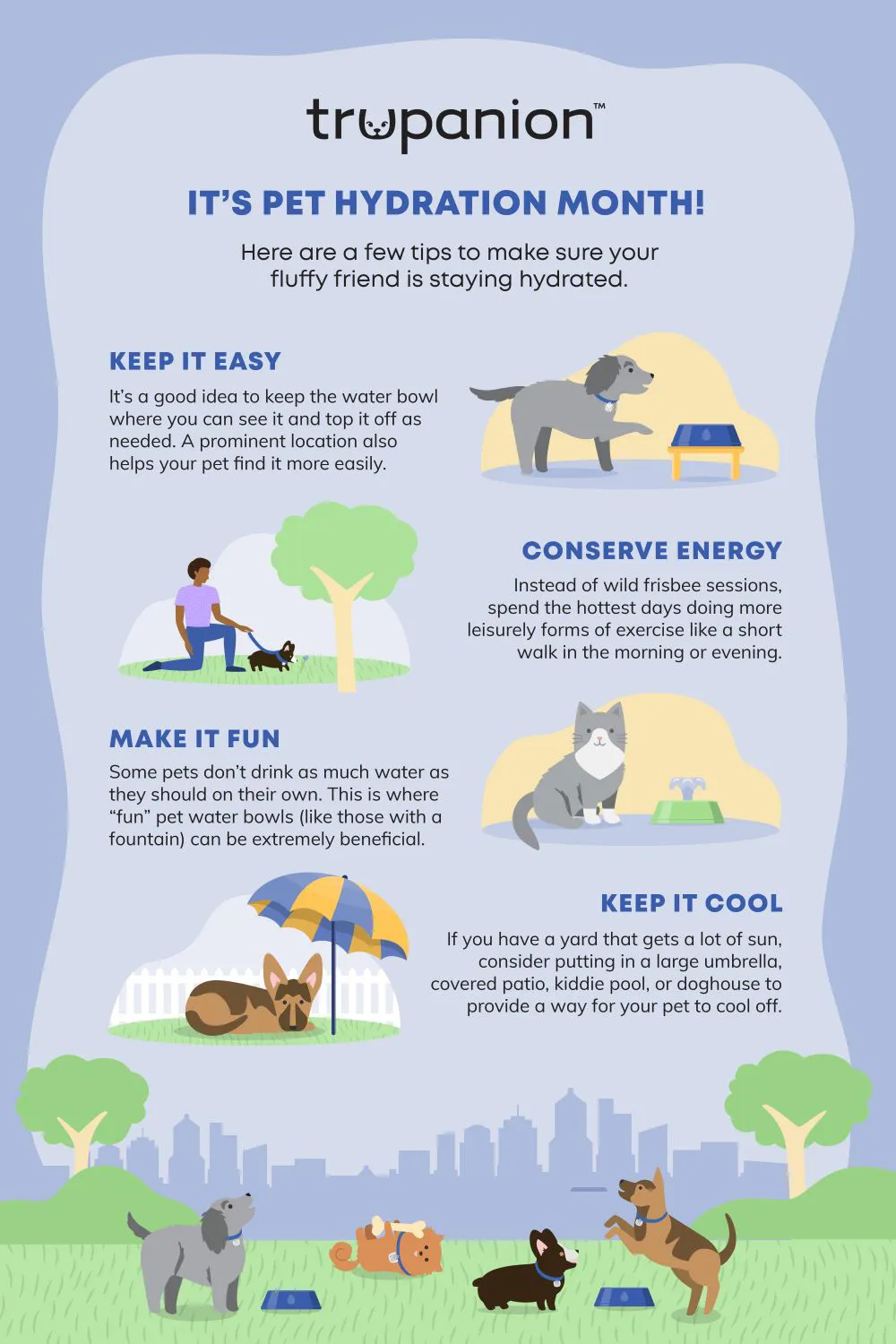
As temperatures soar during these peak summer weeks, the risk of dehydration in pets increases, making it essential for pet owners to understand the signs and prevention strategies. Throughout Pet Hydration Month, veterinarians and animal welfare organizations alike highlight the importance of proper hydration, especially for active pets and those with underlying health conditions. You can participate by volunteering with a local organization, spreading awareness among your fellow pet owners, and of course staying on top of your own pet's water intake. Together, we can ensure our furry friends stay hydrated, healthy, and happy all year round.
How pet insurance can help with dehydration treatment
Treating dehydration in dogs can involve so much more than just providing fluids. Depending on the cause and severity, veterinary care can include diagnostic testing, medications, hospitalization, or treatment for an underlying condition like heatstroke or gastrointestinal illness.
These unexpected veterinary costs can add up quickly, especially when it's an emergency. Having a pet insurance plan that helps cover these kinds of costs can be a game changer when it comes to making those split-second decisions on care. Trupanion dog insurance includes coverage for emergency vet visits, intravenous fluids, diagnostics, and dehydration treatment, as well as treatment for associated underlying conditions. Protecting your dog with quality pet insurance helps you keep the focus on making the best decisions for the health of your pet.
Pet Parenting is the official dog and cat blog of Trupanion, a leader in the world of pet insurance. Here you’ll find useful dog and cat care tips, important veterinary insights, and an abundance of pet lifestyle topics. All of our articles are written by real humans with a love for pets, not AI. However, please note that the views expressed here are those of the individual authors and do not necessarily reflect those of Trupanion. Articles are reviewed by veterinarians for accuracy, but they are not a substitute for professional diagnosis and treatment. Always consult with your own pet’s veterinarian for advice.