Ready to help treat your pet to a healthy life?
Akita Dog Breed Guide: Loyal, Powerful, and Dignified
By : Kathleen Crampton | Published Dec 3, 2025
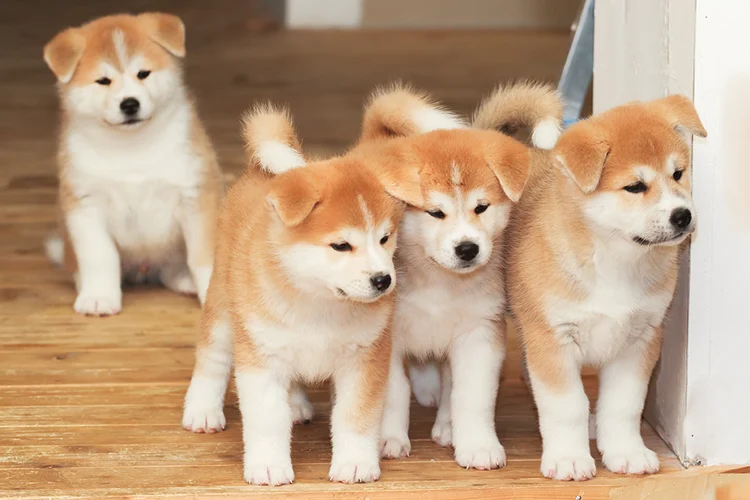
Akitas are a remarkable dog breed, with a rich history, noble and dignified stance, and loyal temperament. The Akita breed is easily recognizable, with their alert, pointed ears; almond-shaped eyes; curled, fluffy tail; and powerful build. But it's not just their regal look that draws people in—they also have a quiet dignity and fierce loyalty that pet parents everywhere have come to love.
But owning an Akita isn't without its challenges. This guide aims to help pet parents and those curious about the breed learn more about Akitas, including their personality, common behaviors, health and wellness needs, and history.
Where the Akita comes from
Designated a national monument in its native Japan, the Akita has a rich history to support its spot as a national treasure.
Hunting dog origins
The Akita breed hails from the Akita prefecture of Japan, where its Matagi Inu canine ancestor was a companion to local hunters. The medium-sized Matagi Inu had pointy ears, a curled tail, and a thick coat, fitting right into the cold, snowy climate of the mountainous northern prefecture—and sharing many of the traits of the modern-day Akita.
In the late 17th century, the nobility began selectively breeding the Matagi Inu to develop a breed that would be a larger and an even more powerful hunting and guard dog than the Matagi, eventually producing the Akita breed. Akitas were used by the elite class as guard dogs and later by Japanese warriors in dog fights as the samurai culture was diminishing. Breeding continued in an effort to produce formidable fighting dogs, which led to fewer purebred Akitas over the years.
Finally, in the early 1900s, a national effort began to keep the pure line of the Akita breed. Akita Inu Hozonkai was established in 1927, with the sole focus of preserving the Akita and eliminating cross-breeding. However, years later, during World War II, the Japanese government forced citizens to give up all dogs, including Akitas, to bolster the military's efforts. The Akita was again mixed with other breeds to offer a larger and stronger presence for the military. But thanks to some people in rural prefectures who were able to keep their purebred pups, the Akita was kept alive, and post-war breed preservation efforts began again.
The story of Hachiko

The Akita's notoriety as one of the most loyal dog breeds not only stems from its service as a hunting companion but also from the story of Hachiko. In the 1920s and 1930s, an Akita named Hachiko would travel to Shibuya Station in Tokyo with his owner, then wait at the station for his owner to return at the end of the day. But Hachiko continued this routine even after his owner unexpectedly passed away, waiting at the station every day until he, too, passed away.
During this time, Hachiko gained national attention after he was featured in a news story, with people donating food and coming to visit the loyal pup. After his death, enough donations were raised to create the Hachiko statue that sits outside Shibuya Station today.
One Akita, two breeds
Japanese and American Akitas are technically two different breeds, recognized as such by Europe’s Fedération Cynologique Internationale and the American Kennel Club, which accepted the American Akita into its registry in 1972 and the Japanese Akitainu into its Foundation Stock Service in 2020.
The breed split began when the Akita was brought to America by members of the US military. These Akitas were part of the selective breeding that took place during post-war preservation efforts in Japan, where many Akitas had been selectively mixed with other breeds, such as Mastiffs and German Shepherds. So while the American Akita continued to be developed with some of the characteristics of these other large dogs, in Japan, people realized that the pure Akita line was being muddled. Breeders decided to eliminate the foreign breed influences and restore the line by cross-breeding with the original Matagi.
Although the breeds are very similar, two distinct types emerged: the American Akita and the Japanese Akitainu. Most of their differences lie in appearance (which we'll cover next), not as much in behavior or temperament.
What Akitas look like
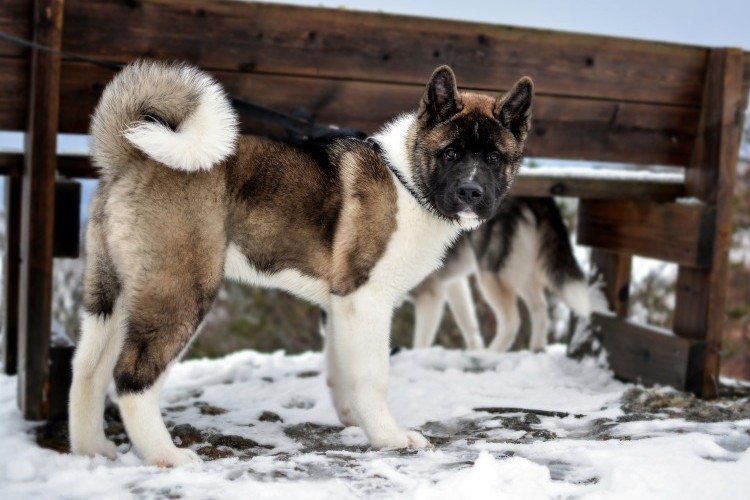
Akitas are a type of Spitz breed, which is a term used to classify several dog breeds that share similar characteristics, such as pointy, triangular ears; thick double coats; and furry, curved tails. Both the American and Japanese Akitas share these Spitz characteristics, but here's an overview of how they differ in appearance.
Differences between Japanese Akita vs. American Akita
| American Akita | Japanese Akita |
|---|---|---|
Size |
|
|
Facial features |
|
|
Colorings & markings |
|
|
Akita temperament and personality
With their origins as hunting and guard dogs, it's no surprise that Akitas are one of the more protective, loyal, and headstrong dog breeds.
One of the best qualities of the Akita breed is their fearless attitude and willingness to protect their loved ones at all costs. They take great pride in keeping their family safe. However, this guard-dog temperament and fierce loyalty can mean that the breed doesn't take to strangers—especially strange dogs—very well, which may lead to aggression in some instances (but that's where dedicated training comes into play). Additionally, if you're looking for dog breeds that don’t bark much, the Akita may be for you. They are a quiet breed that usually only barks if they need to alert their pet parents.
They're known to be highly affectionate (even silly!) with their trusted family members, but not clingy. Akitas are incredibly independent and like to play and interact with others on their own terms, so it's recommended that their household doesn't have small children who might not respect their boundaries.
Training and socialization tips for Akitas
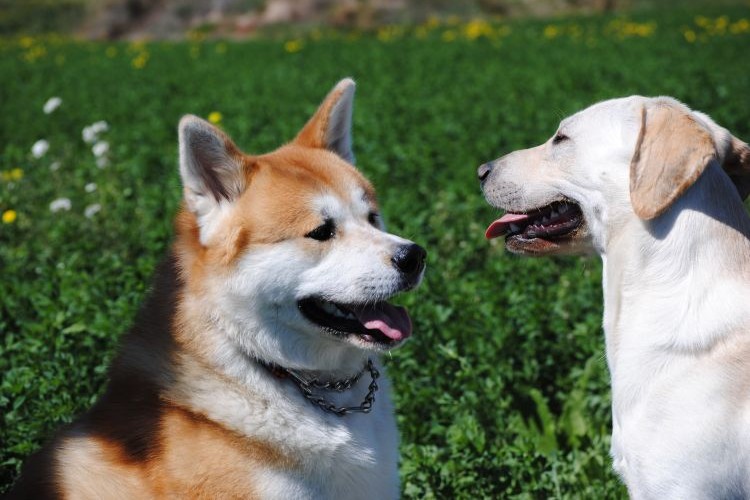
Taking charge is part of an Akita's DNA, making it extremely important to train them from a young age to enforce good behavior. But a crucial training tip to remember is to use positive reinforcement and rewards—never use aggression to train, as this can lead to aggressive behavior in your pup and cause distrust. For instance, the Midwest Akita Rescue Society specifically notes that exhibiting "alpha" behavior teaches your dog fear, while positive reinforcement creates a deeper bond and develops trust, safety, and mutual respect.
The following are some Akita training tips to help your pup develop good habits:
- Always use positive reinforcement, not harsh handling.
- Commitment and consistency in training are key.
- Enroll your Akita puppy in a puppy training class, ideally when they're still under 16 weeks old, to help with socialization.
- Safely introduce them to strangers, other dogs, and cats from a young age.
- Avoid off-leash dog parks, as Akitas can become aggressive with strange dogs. Instead, opt for small-group play with dogs your Akita is familiar with.
- Provide mental stimulation with games, puzzles, and monitored outdoor time to keep them out of trouble.
It may also be beneficial to enlist the help of a professional trainer who has experience with Akitas.
Akita health and wellness
Keeping your Akita happy and healthy is a top priority, so it's important to ensure that their nutritional, grooming, and exercise needs are met, as well as understand common health issues with the breed.
Common health issues
The Akita breed, just as with any dog breed, may be at risk of developing certain health conditions. Keep in mind that just because they may be prone to certain medical issues doesn't mean that your Akita will experience them. This list is included so that pet parents can spot and get treatment for these issues quickly.
- Hip dysplasia. According to the Akita Club of America, hip dysplasia is a primary health concern for Akitas, but large dog breeds in general are at risk. The condition involves a loose hip joint that can lead to inflammation and arthritis.
- Microphthalmia. Usually diagnosed during puppyhood, microphthalmia is an ocular disease where one or both eyes are smaller than normal, potentially affecting an Akita's vision.
- Bloat. Bloat, or gastric dilatation-volvulus (GDV), occurs most often in dogs with deep, narrow chests, which Akitas have. It is a life-threatening medical emergency that requires immediate treatment because the stomach fills with air, blocking blood flow to the heart. Physical signs include an enlarged abdomen, vomiting, salivation, and sensitivity to touch at their stomach.
- Sebaceous adenitis. Although uncommon in dogs, this disease of the skin's glands has a higher prevalence in the Akita. Sebaceous adenitis causes areas of the skin to become inflamed and scaly and can lead to bald spots and a brittle coat. Treatment may include topical mineral oils, oral supplements, or oral medication.
Akita grooming needs
Although their plush, double coat does require regular brushing, Akitas are known to be very clean and even groom themselves like cats. They don't have that "doggy odor" that some pups have. Pet parents should brush their Akita at least once a week and bathe them according to their vet's recommendations, likely every six to eight weeks.
Like some other double-coated dogs, Akitas "blow" their coat twice a year, which involves shedding their undercoat. These periods will require more brushing than usual to ensure that their coat doesn't mat.
Your Akita's grooming routine should involve clipping their nails, brushing their teeth, and cleaning their ears.
Akita nutritional needs
Because the Akita breed is prone to hip dysplasia, it's important to keep your pup at a healthy weight to prevent a worsening of any orthopedic symptoms. Stick to your vet's recommendations regarding dog food and treats, and aim to feed your Akita twice a day rather than one full meal. This can help to prevent bloat.
If there are other dogs in the house, provide your Akita's food in their own bowl and away from the other furry family members.
Akita exercise needs
Akitas aren't as high energy as other breeds, but they do require a moderate amount of exercise, such as a light jog through the neighborhood or a long walk. About an hour of physical activity per day should suffice.
Is the Akita the right dog for you?
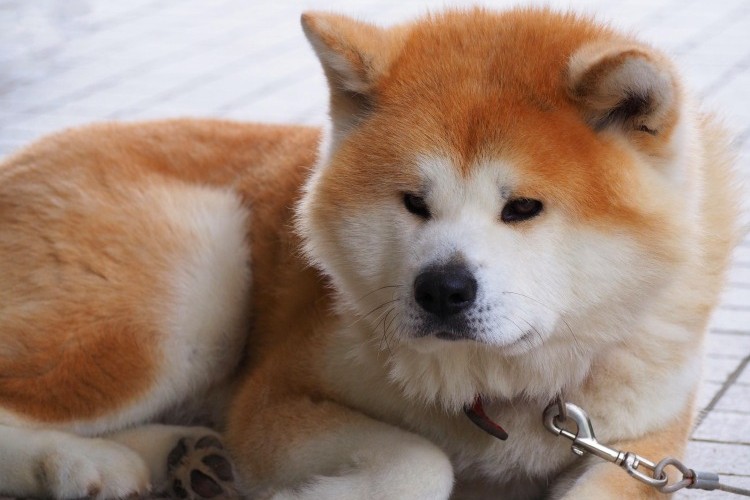
Many people wonder, "Are Akitas good family dogs?" The short answer is yes, Akitas can be wonderful furry family members, adding loyalty, affection, and playfulness to the household. That said, families with young children or other dogs should take caution before bringing home an Akita, as this breed typically likes their own space and can be possessive.
Another thing to keep in mind is your level of activity and busyness. For instance, are you gone for long periods of time during the day, or do you travel a lot for work? Are you highly active, or do you prefer a couch-potato pup? Akitas aren't clingy, but they can become anxious when their pet parents are away for too long, as they prefer companionship. Additionally, they'd thrive in a household that likes moderate exercise—not too much and not too little.
But the most important tip for those curious about Akitas is to make sure you're ready for the high amount of training that this breed requires. Akitas need strong boundaries, regular stimulation, and consistent socialization and training from a young age and all throughout their life.
How pet insurance can help with Akita health issues
When you're ready to bring an Akita home, make sure to sign up for a pet insurance policy—not only to protect your pup but also to safeguard your budget. Dog insurance can help with the costs of covered treatments for things like chronic and breed-specific conditions, joint support, thyroid issues, and even unexpected injuries from getting into too much mischief!
Keep your Akita by your side for as long as possible, from puppyhood to the golden years, with a Trupanion dog insurance policy.
Pet Parenting is the official dog and cat blog of Trupanion, a leader in the world of pet insurance. Here you’ll find useful dog and cat care tips, important veterinary insights, and an abundance of pet lifestyle topics. All of our articles are written by real humans with a love for pets, not AI. However, please note that the views expressed here are those of the individual authors and do not necessarily reflect those of Trupanion. Articles are reviewed by veterinarians for accuracy, but they are not a substitute for professional diagnosis and treatment. Always consult with your own pet’s veterinarian for advice.