Ready to help treat your pet to a healthy life?
10 Spring Safety Tips for Pets in 2024
By : Trupanion Staff | Updated Mar 25, 2026
Tips for a Stress-Free Spring with Pets
By: Trupanion Staff / Published May 20, 2017
As the warmer months roll in, so do the reasons to be proactive when it comes to pet care. Spring safety for pets involves keeping your pets safe from allergens, plants, and more. Below, we’ve outlined a few tips to help you identify potential pet concerns as you spring into the new season.
Play it safe with plants
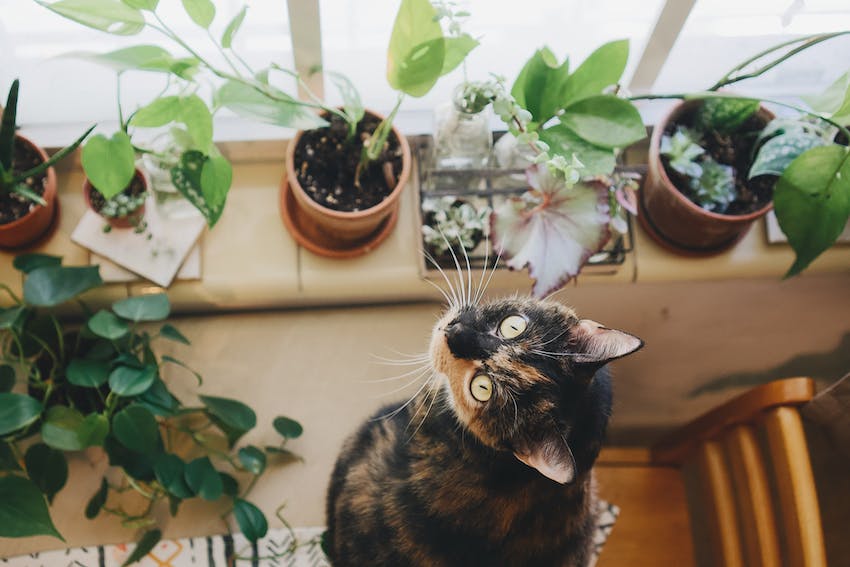
One of the first steps of ensuring spring safety for pets is knowing which plants are pet friendly. Most pet owners know certain plants are poisonous to pets but even your pet-safe blossoms can be troublesome to your pet.
Dogs love to eat bones. And bone meal is often used as a fertilizer or supplement when planting bulbs. Eating both the bulb and the bone meal can make for a very sick dog. If you dilute most fertilizers with plenty of dirt or water, it’s often safe to use around pets (unless you have a small dog). Cat lovers, remember that lilies can cause kidney failure if ingested by cats.
Use pet-friendly cleaning supplies
It’s spring-cleaning time, but household cleaning products introduce several toxins to the home. Soaps, bleach, polishes, and cleaners can irritate your pet’s skin and damage their gastrointestinal tract.
Cleaning supplies, like a sponge or pipe cleaner, can also present problems when ingested by a curious pet. To thwart troubles before they start, opt for pet-safe cleaning supplies, store unsafe chemicals out of paws’ reach, and keep your pet away from where you’re cleaning.
Secure your window screens
It’s that time of year when you can finally open your windows to experience warmer, breezier days. Keep in mind, after the long winter months, you won’t be the only one welcoming sunshine and warmth. Your pets are just as eager!
As you open windows, make sure your furry friends aren’t at risk of sneaking out or falling. Install sturdy screens with a snug fit and supervise your pets around any open windows.
Avoid using slug bait
Spring safety for pets doesn’t stop inside the house. There are plenty of outdoor critters to be aware of, too.
Slugs are hard critters to love, especially when their slimy trails cut through your yard and destroy your plants and flowers. While you don’t want slugs around your house and garden, slug bait is extremely dangerous to your pet. The toxins in slug bait are often mixed with sugars to attract the slugs, but it also entices pets. Even a small amount can be fatal, so ask your veterinarian about pet-safe slug control options.
Did you know?
According to Trupanion claims data, slug bait ingestion can cost up to $2,500 to treat.
Avoid newly fertilized grass (for at least 24 hours)
Now that it’s warmer out, it’s time to show off that beautiful green lawn! Unfortunately, having the greenest grass on the block can mean using fertilizer that is poisonous and potentially fatal to pets.
Keep your furry friend off the grass and away from any treated areas for at least 24 hours or opt for pet-safe products. Be cautious of organic fertilizer too — its captivating scent might tempt your dog to make a meal out of manure.
Keep an eye out for foxtails
It’s that time of year again: foxtail season. Foxtails, a tall grass with elongated, bristly spikes at the ends of each blade resembling a fox’s tail, can sneak up on your pet and cause serious problems. Once they embed in your pet’s fur, they can cause serious damage like ruptured eardrums and infections.
Prevent foxtail problems by regularly examining your pet’s coat after they’ve spent time outside. Curious what veterinarians advise? Here are five steps you can take to keep your pets safe from foxtails.
Lose any winter weight
It’s hard to keep up on exercise when it’s cold out, but staying cozy inside can lead to extra winter weight on your pet. Overweight pets are more likely to develop serious conditions like diabetes, respiratory and heart diseases, and joint problems.
Schedule a teeth cleaning
Spring safety for pets also involves dental health, and spring is a good time to get your dog or cat’s teeth cleaned. Periodontal disease is the most common disorder that affects cats and dogs. Dental disease can cause much more than just bad breath for your pet; it can cause tooth, bone, and gum loss and lead to heart disease. Here are some things you can do at home to help slow the progression of dental disease.
Prepare for the dog park
What better way to spend a sunny spring Saturday than with your favorite furry friend at the local dog park? Here are some tips for your park trip:
- Study up on canine body language — know what both playful and aggressive behaviors look like.
- Leave toys at home that your pet is unwilling to share.
- Make sure your dog comes when called — don’t let them give dogs entering the park an overwhelming welcome, and always respect pets who need their space.
- Know your dog’s “type” and avoid dogs they feel uncomfortable around.
- Don’t bring your dog to the park if they’re sick, behind on vaccinations (including flea, tick, and heartworm prevention!), younger than four months old, or have any behavioral issues.
Pet Parenting is the official blog of Trupanion, a leader in the world of pet insurance for dogs and cats. Here you’ll find useful dog and cat care tips, interesting veterinary insights, and fun pet topics galore. While you’re browsing our pet blog, please note that the views expressed here are those of the individual authors and do not necessarily reflect those of Trupanion. Articles are reviewed by veterinarians for accuracy, but they are not a substitute for professional diagnosis and treatment. Always consult with your own pet’s veterinarian for advice.
We’re always ready to help
Our customer care team is available 24/7/365.